EVERY SECOND OF THE GAME IS ON THE RECORD. THE SECOND HALF IS NOT.
A private mentorship program for student-athletes, and the neutral record of what happens after eligibility ends. Only 21 percent of Division I athletes have ever connected with a mentor1.

athletes were asked what they wanted staff to talk about more. Preparing for a career after college came first, ahead of everything else.5
NCAA GOALS, April 2026Every figure on this page was opened at its primary source and is restated in the ledger at the bottom. If a number is not sourced, it does not appear here.
20+ Universities
Interviews are underway. Applications close September 18.January 8, 2027
A week of sport plus school. A full time job, and then a second one, every single week.
NCAA GOALS, March 20264Questions in federal athletics disclosure about what happens to an athlete after the last season.
US Dept of Education, September 20243Are satisfied with the career counseling their athletics department already provides.
NCAA GOALS, April 20266Three doors. Pick yours.
Free to the athlete. Nothing opens until you choose.
Two tracks, one standard
Two doors, one standard, and no exceptions to it.
Pick the door you come through, then apply. Every mentor is approved by hand against this standard before an athlete ever sees them.
Become a mentorA sample of the fields our current mentors work in. No mentor is ever named publicly.
The case, on the record
Each figure was opened at its primary source. Every one is restated with that source in the ledger at the bottom of this page.
Share of men, and of women, who agree they feel ready for life after sport, counting the top two boxes of the NCAA's six-point scale. The remainder is not the opposite: most of it sits on 'somewhat agree', and outright disagreement is closer to one in seven.
Career preparation is the single topic athletes want staff to discuss more, ahead of every other subject offered.
Share of Division I athletes who have ever connected with a mentor. The demand above has no supply behind it.
Share satisfied with the career counseling their athletics department already provides. The service exists. It is not landing.
Top projected NIL package for one athlete in one year, which goes to zero the day eligibility ends. Income is not a career.
One career office already proved athlete outcomes can be tracked almost completely. Nobody made it comparable between schools. That is the record we are building.
What we do not claim
We do not claim athletes end up worse off. The study most often used to argue the opposite, Gallup and the NCAA in 2020, puts former athletes ahead of their peers on wellbeing, on advanced degrees, and on ever having had a mentor, 27 percent against 239. Its one null result is applied work experience, 31 percent against 318, and that is precisely the hole this program fills. The claim we make is narrower and still holds: the transition out of sport is unsupported, and nobody measures it.
What the platform puts in your hands
What each side of the network gets. How it is built stays ours.
Live now is in the product today. Jan 2027 opens with the next cycle.
Career Game Plan
Jan 2027Readiness
Jan 2027Your one pager
Live nowSeason goals
Jan 2027Mentors on call
Jan 2027Mock interviews
Jan 2027Matched mentors
Live nowMental performance
Jan 2027Your school's athletes
Jan 2027Jobs and internships
Jan 2027Events
Jan 2027The team behind the network
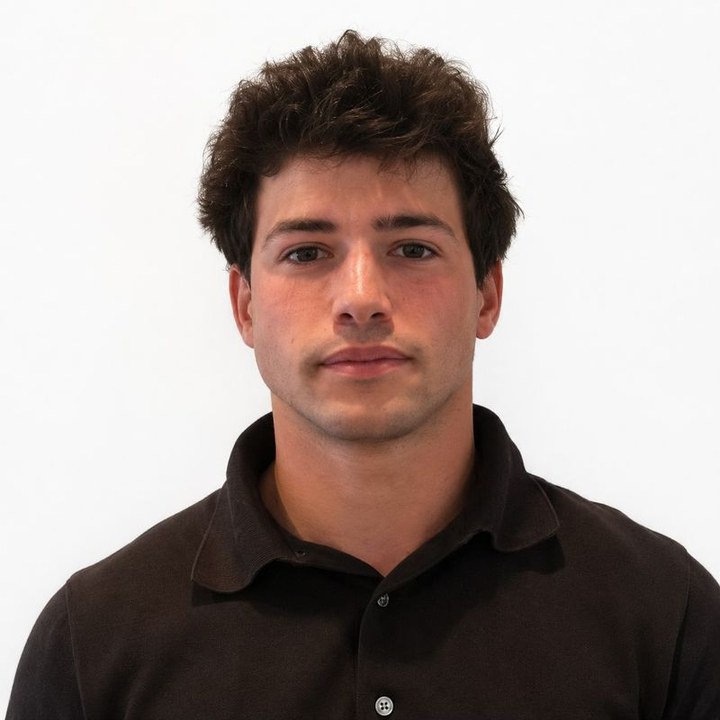
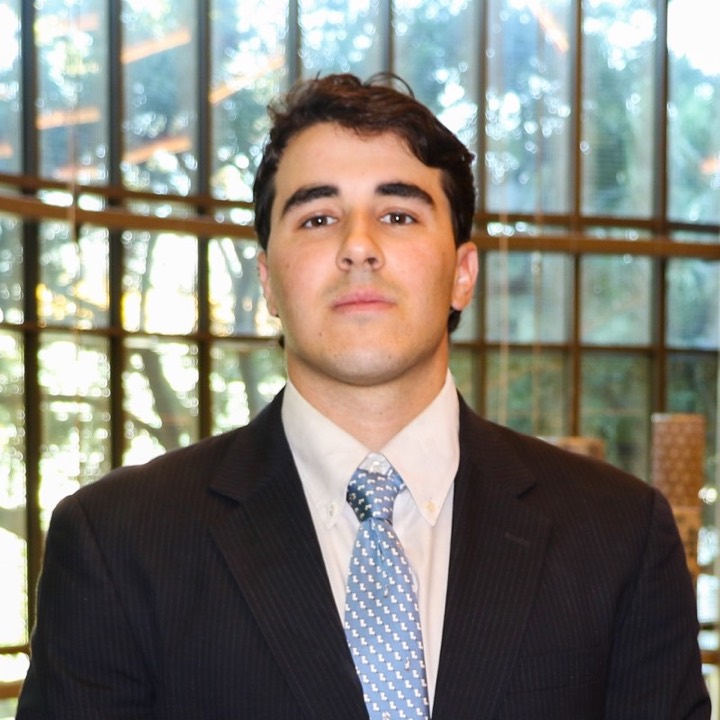
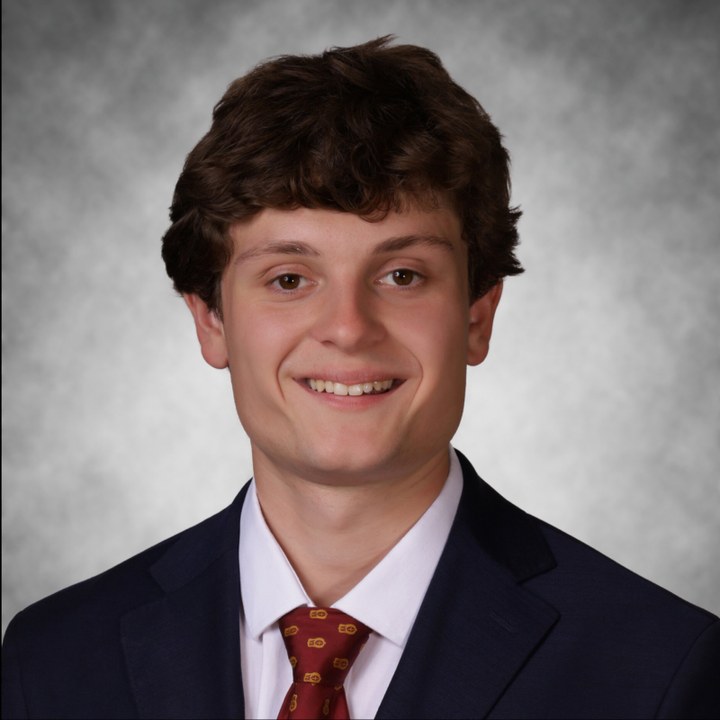
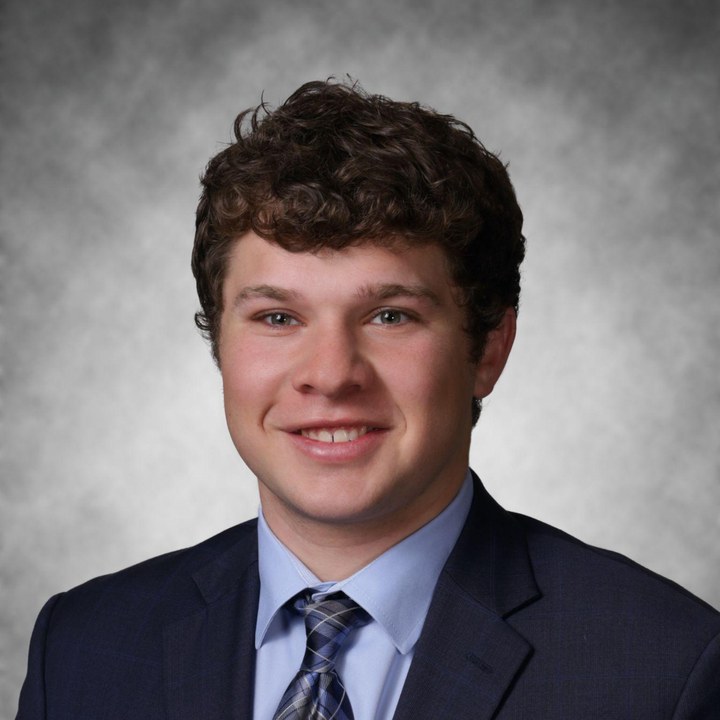
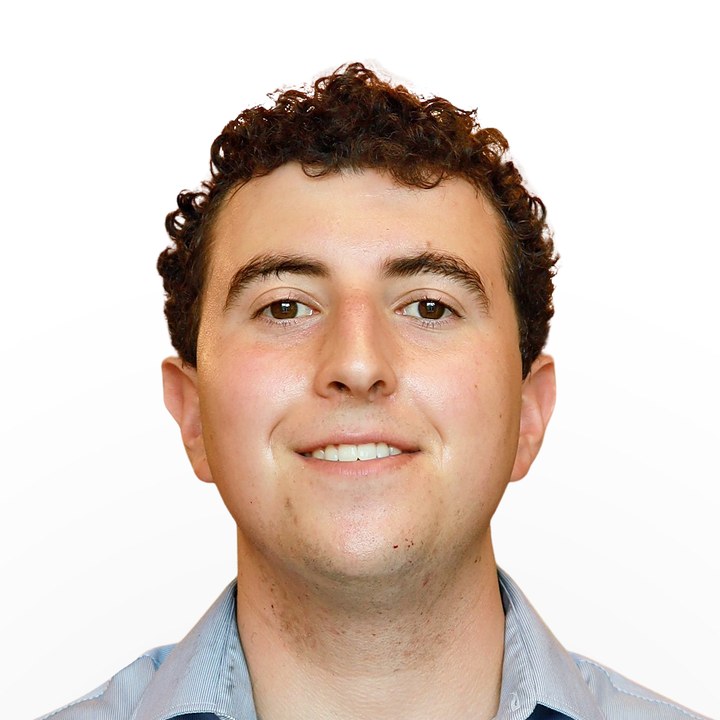
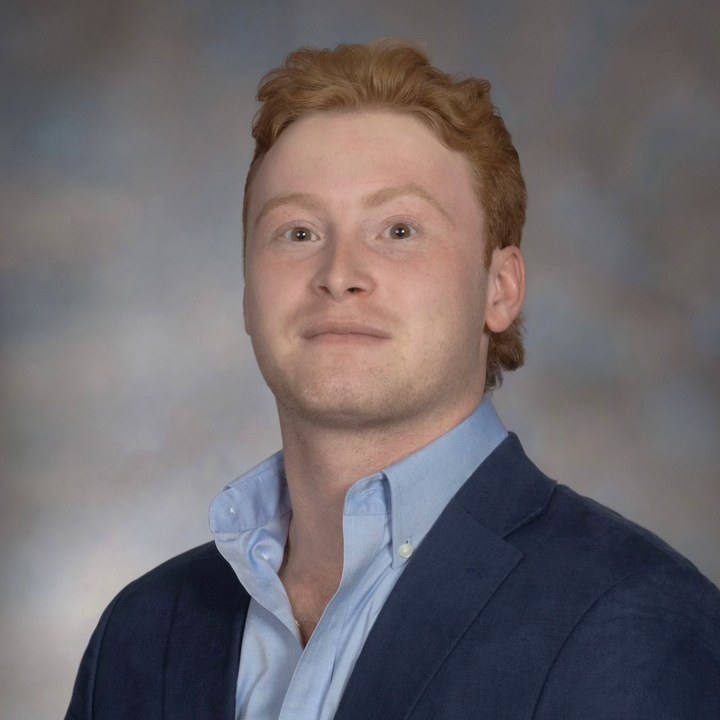
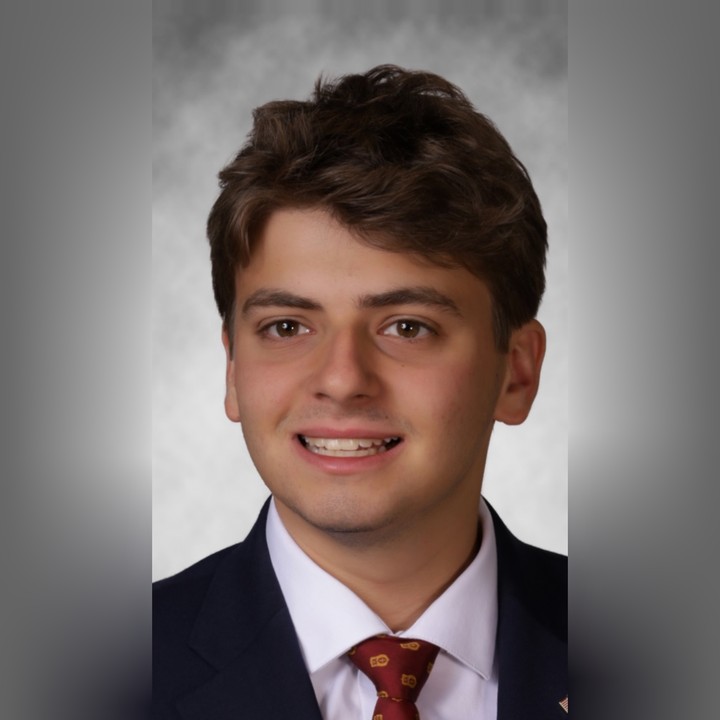
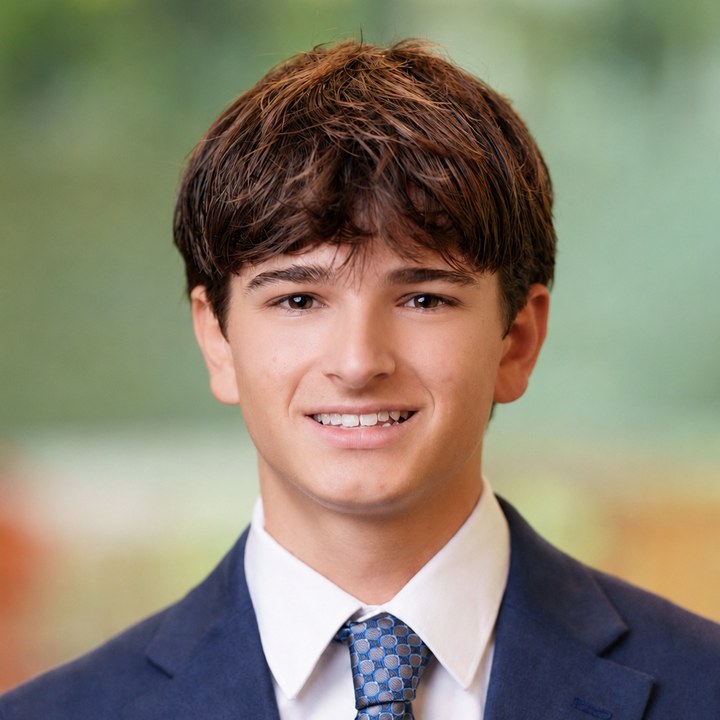
Second Half Network was founded by business students at Tulane University who saw how little support athletes get for the part that comes after sport. Its founders study at the A.B. Freeman School of Business.
BE COUNTED IN THE FIRST RECORD.
You already know how to be coached. Use it one more time, on the part nobody trained you for.
The Fall 2026 beta is open and in interviews. Applications close September 18. The full platform launches January 8, 2027. Athletes hold a place with a school .edu address. Mentors qualify on one of the two tracks above.
Both forms take about two minutes.
Athletic departments, request the Fall 2026 briefingSources
Every figure on this page, restated with the primary source it was opened at.
- 0121%. Share of Division I athletes who have connected with a mentor. NCAA Student-Athlete Needs Assessment Project (SNAP), May 2026
- 0260% and 53%. Share of Division I men and women, junior year or later, who feel prepared to transition out of sport. NCAA SNAP, May 2026
- 030. Occurrences of the word “career” or “outcome” in the 89 page federal athletics disclosure guide, the most heavily enforced athletics report there is. US Department of Education, EADA User’s Guide, September 2024
- 0466.5 hrs. Combined median weekly hours on athletics and academics. FBS football rose to 45 athletic hours, from 39.5 in 2019. NCAA GOALS time commitments, March 2026
- 05#1. Rank of “preparing for a career after college” among the topics athletes want staff to discuss more. Ahead of mental wellness. NCAA GOALS, April 2026
- 0642%. Share of athletes satisfied with career counseling through their athletics department or college. NCAA GOALS, April 2026
- 07$1.31M. Projected 2025 to 2026 package for a top 25 Division I quarterback. All of it goes to zero the day eligibility ends. Opendorse, filed as a House court exhibit
- 0831% and 31%. Applied work experience, former athletes against non-athletes. The one null result in the study most often used to argue athletes are already fine. Gallup and NCAA, 2020
- 0927% and 23%. Share of former athletes, against non-athletes, who report ever having had a mentor. Gallup and NCAA, 2020
- 1099%. One career office reached a 99 percent knowledge rate on its athletes, 174 of 175, by joining its first destination survey to the athletics roster. A knowledge rate is the share of a class whose outcome is known. No school publishes one that can be compared with another school’s. Yale Office of Career Strategy, Student-Athlete First Destination Report, Class of 2023